Meet Ultralithic, helping lunar rovers survive the two-week lunar night
Commercial lunar rovers usually freeze during the two-week lunar night. Ultralithic's lightweight thermal shelter helps them survive it, giving missions more time on the surface.
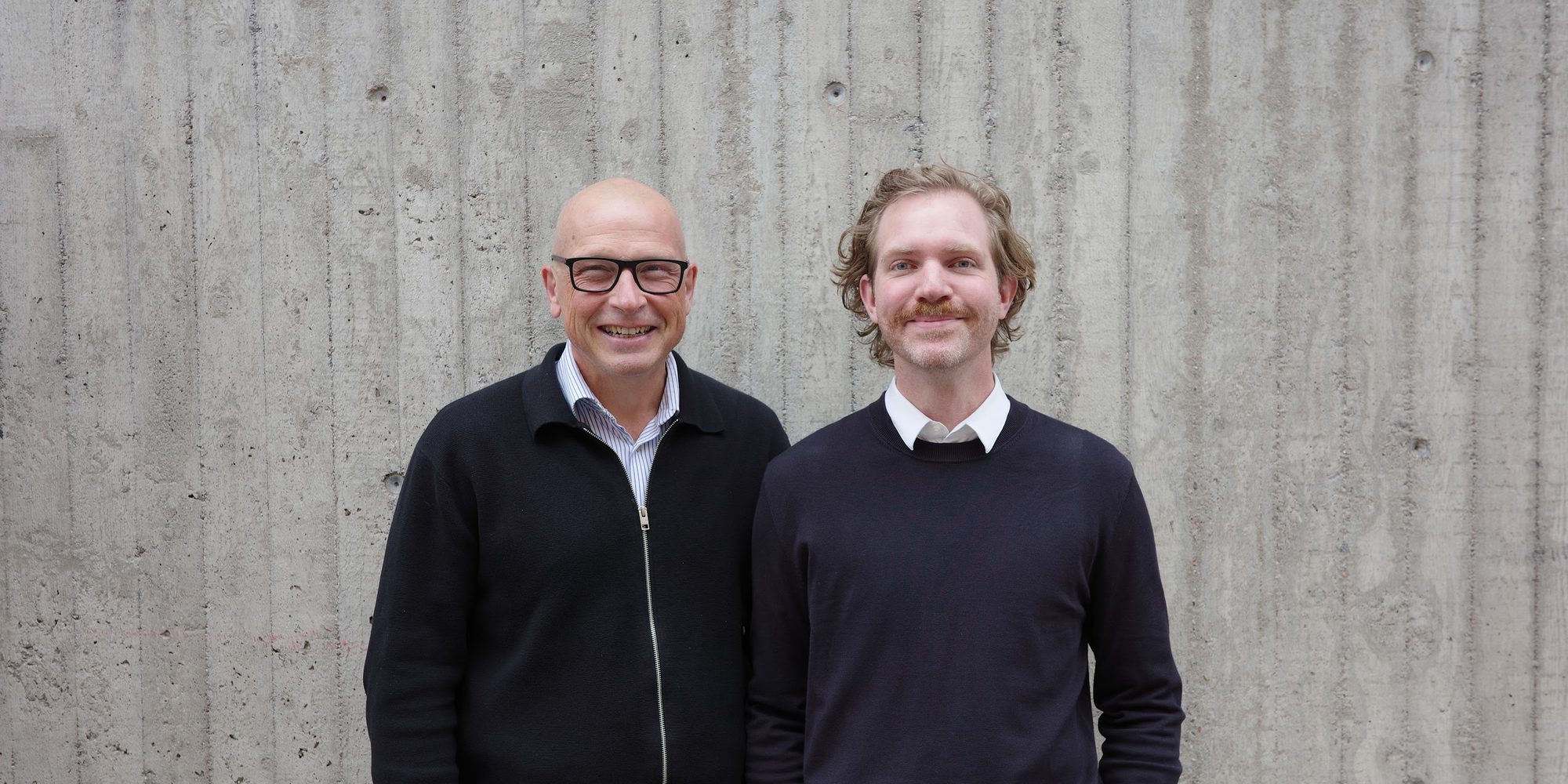
From left: Emil Vinterhav (Co-founder & Chairman), Björn Fhager (Co-founder & CEO).
The problem
Commercial companies can now land on the Moon. Staying there is the hard part.
After about two weeks of daylight, the lunar surface goes into a night that lasts around 14 Earth days, with temperatures down to about −180 °C. Most commercial missions end there because their hardware freezes, so a typical mission lasts a single lunar day.
What Ultralithic does
Ultralithic builds survivability hardware for machines working on hostile planetary surfaces. Its first product, Ultralithic-1, is a lightweight thermal shelter that helps commercial micro-rovers survive the two-week lunar night without radioactive heat sources.
That means more time working on the surface, more science and a greater return from every mission sent to the Moon. The concept analysis is complete and hardware validation is under way.
How it started
While building lunar hardware, Björn worked with rover teams who were all facing the same problem: their machines were built to survive a single lunar day, and nobody was building a way through the night.
When Alex's master's thesis, hosted at Vinterstellar, showed in simulation that a passive shelter could get a small rover through the two-week night, the three founders decided someone had to build it. So they did.
Why this team
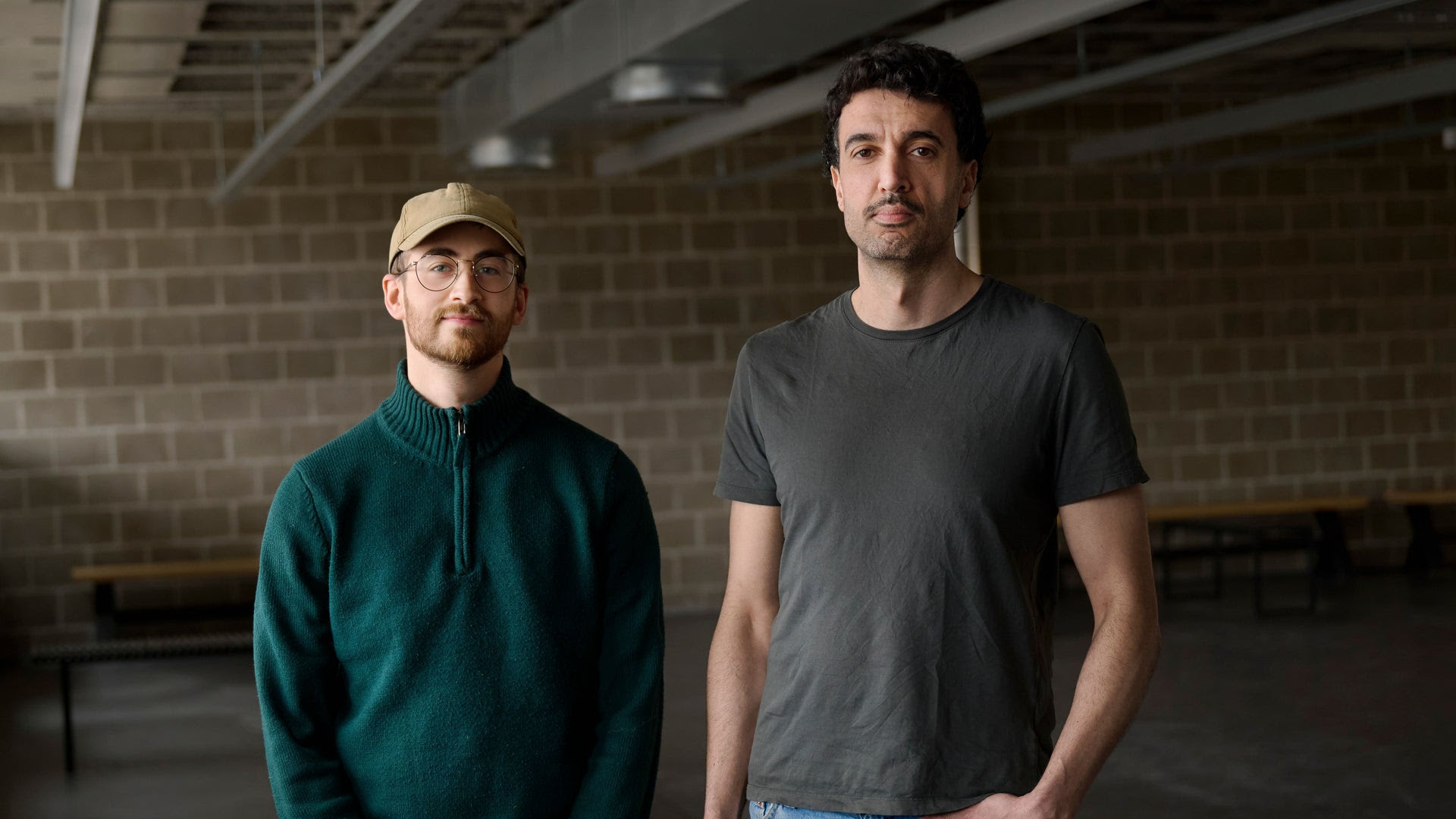
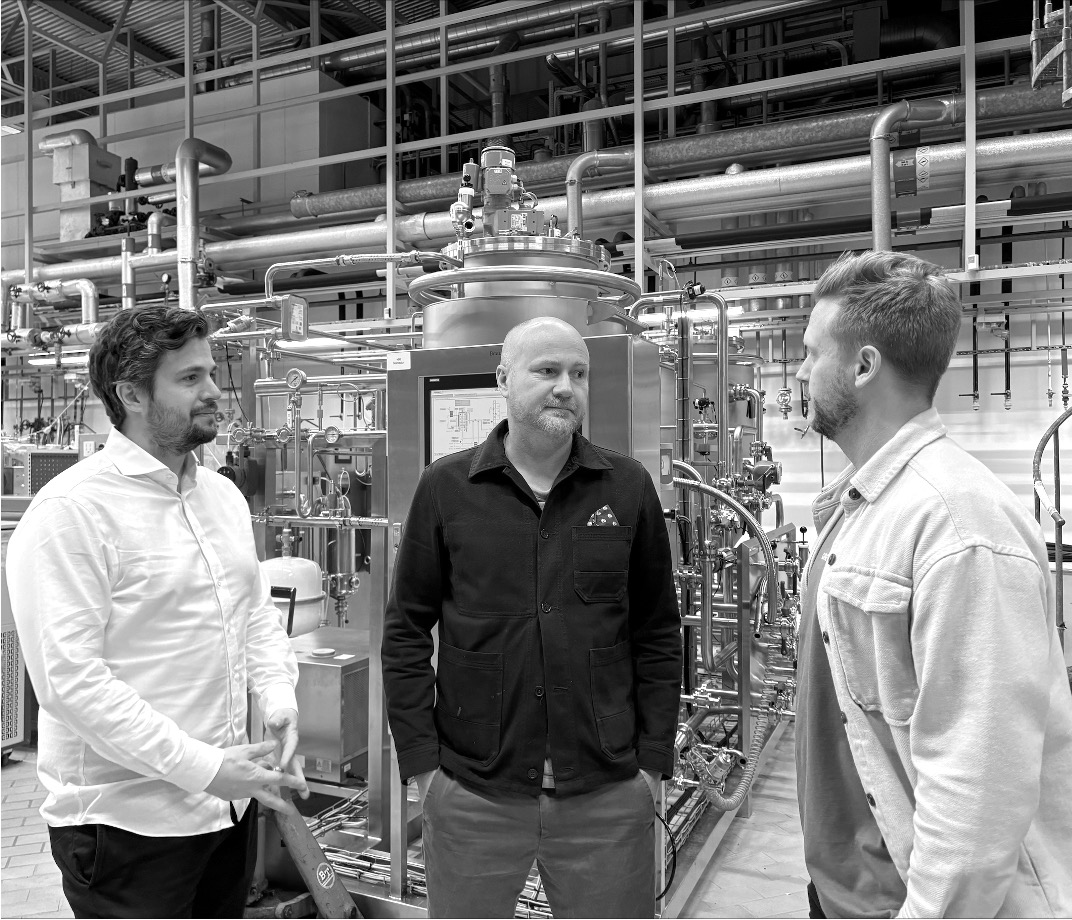
Ultralithic's three co-founders combine lunar flight hardware, spacecraft industry experience and the thermal physics behind the product.
CEO Björn Fhager has spent most of his career engineering machines built for hostile environments, from submarines and underground drilling rigs to hyperloop vacuum vehicles. He also initiated a lunar regolith scoop for a commercial lunar micro-rover, built the team around it and led it as Chief Engineer from concept through qualification and integration.
Chairman Emil Vinterhav has more than 25 years in the space industry: founder of Vinterstellar, co-founder of PASQ, formerly CTO of AAC Clyde Space through its Nasdaq First North listing and head of the spacecraft department at OHB Sweden, and, as CEO of The Moonhouse, he sent artist Mikael Genberg's house to the Moon.
CTO Marc Alexander Wegener helped develop the shelter concept behind Ultralithic-1 during his double-degree master's at KTH and TU Darmstadt, combining thermal modelling, design evaluation and energy budgeting. He brings hands-on engineering experience from hydrogen fuel-cell startup FCT Sweden and technical project experience from Northvolt's early German team, with a background shaped by small, fast-moving teams.
Why Sting
We know the physics, and we've built lunar hardware before. What we're working on now is turning that into a company: getting the first rover operators to design Ultralithic-1 into their missions, and preparing for our first funding round. That's what we're at Sting for.
Björn Fhager, Co-founder & CEO of Ultralithic
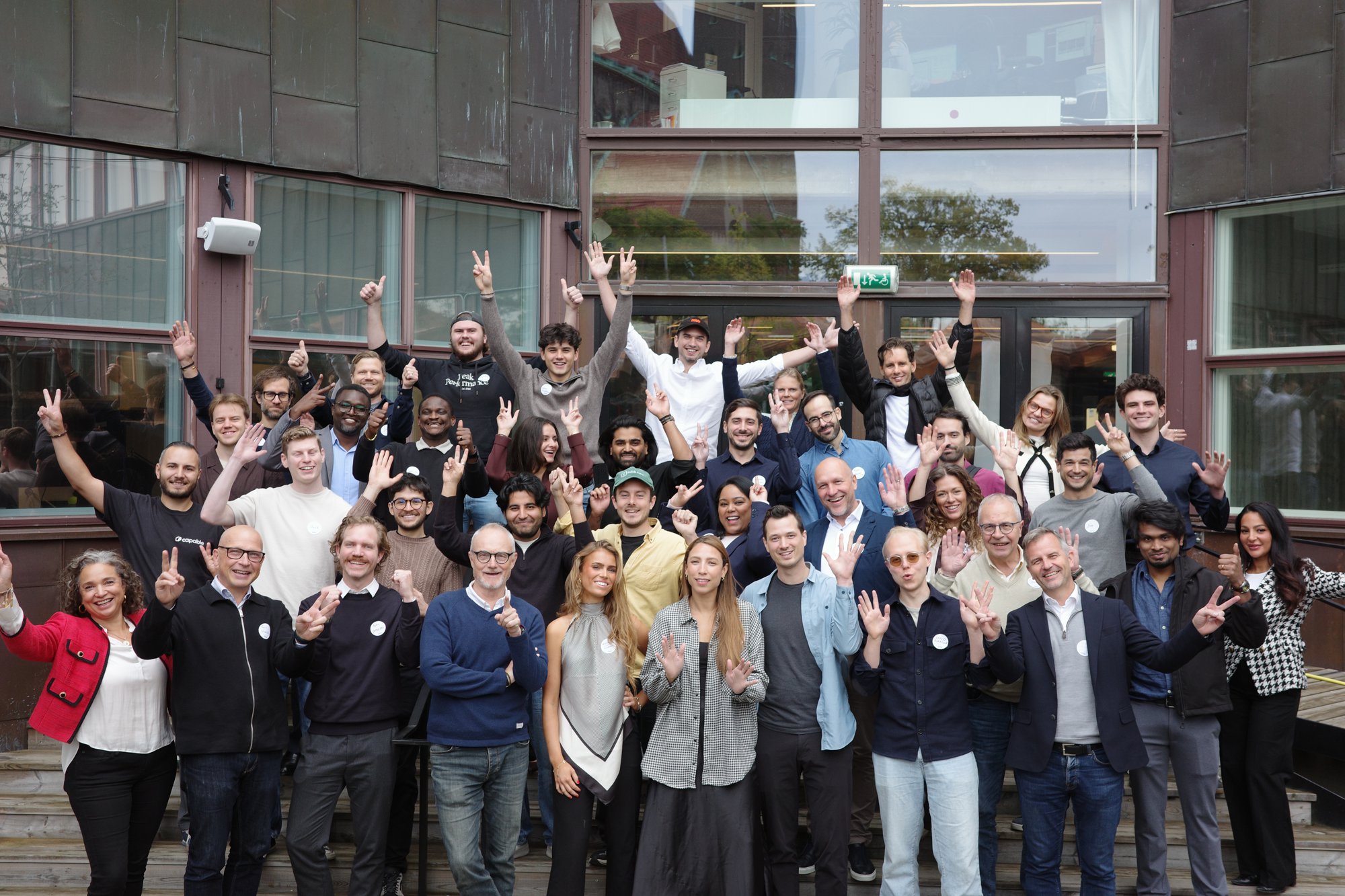
Ultralithic is one of 21 startups in Sting Core Fall 2026. Meet the rest of the cohort in Meet the 21 startups joining Sting this autumn.