Meet WingBeam, turning retired wind turbine blades into building materials
WingBeam turns retired wind turbine blades into noise barriers, railway sleepers and other building materials, aiming to use more than 90% of the blade instead of sending it to landfill or incineration.
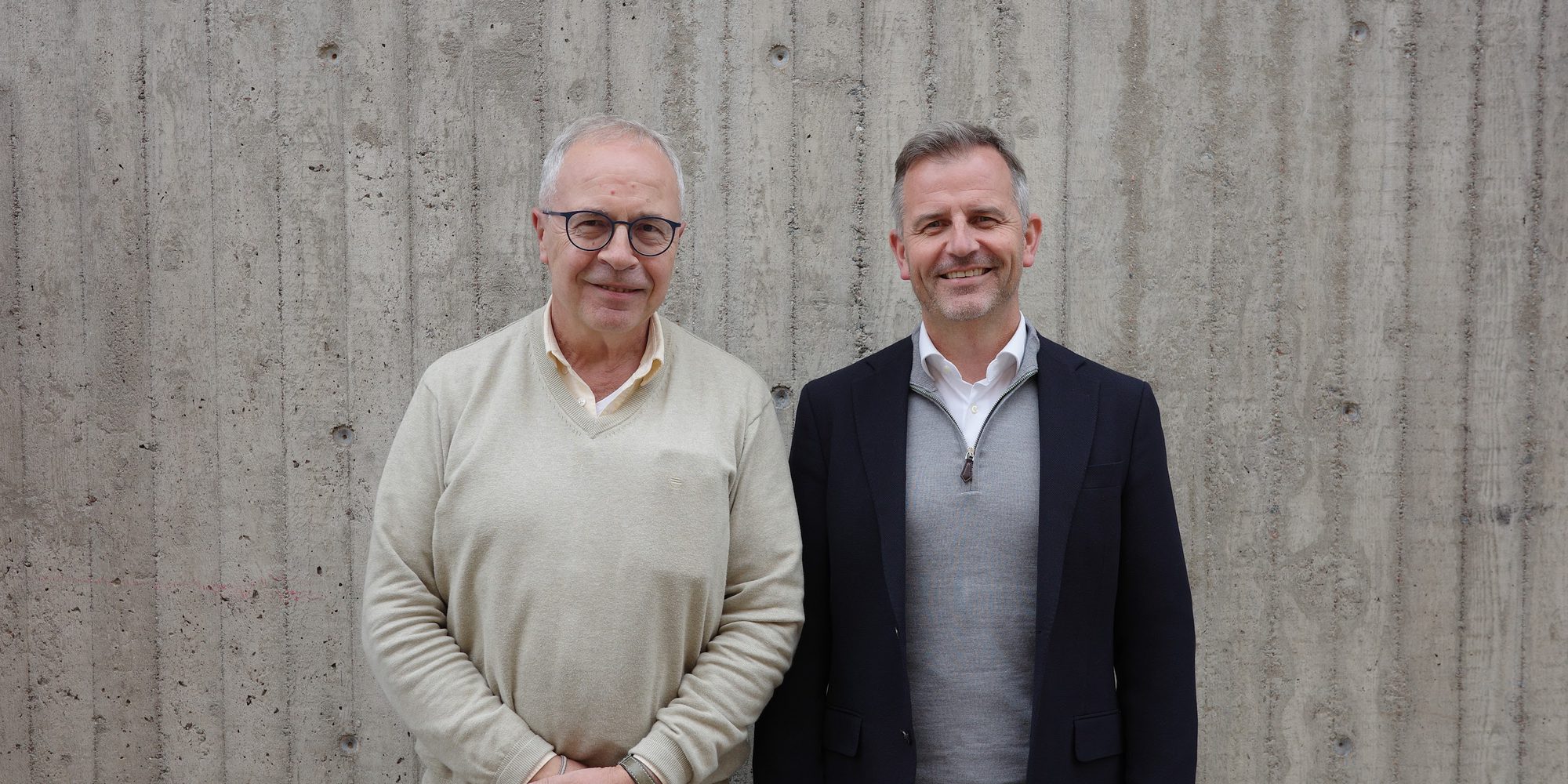
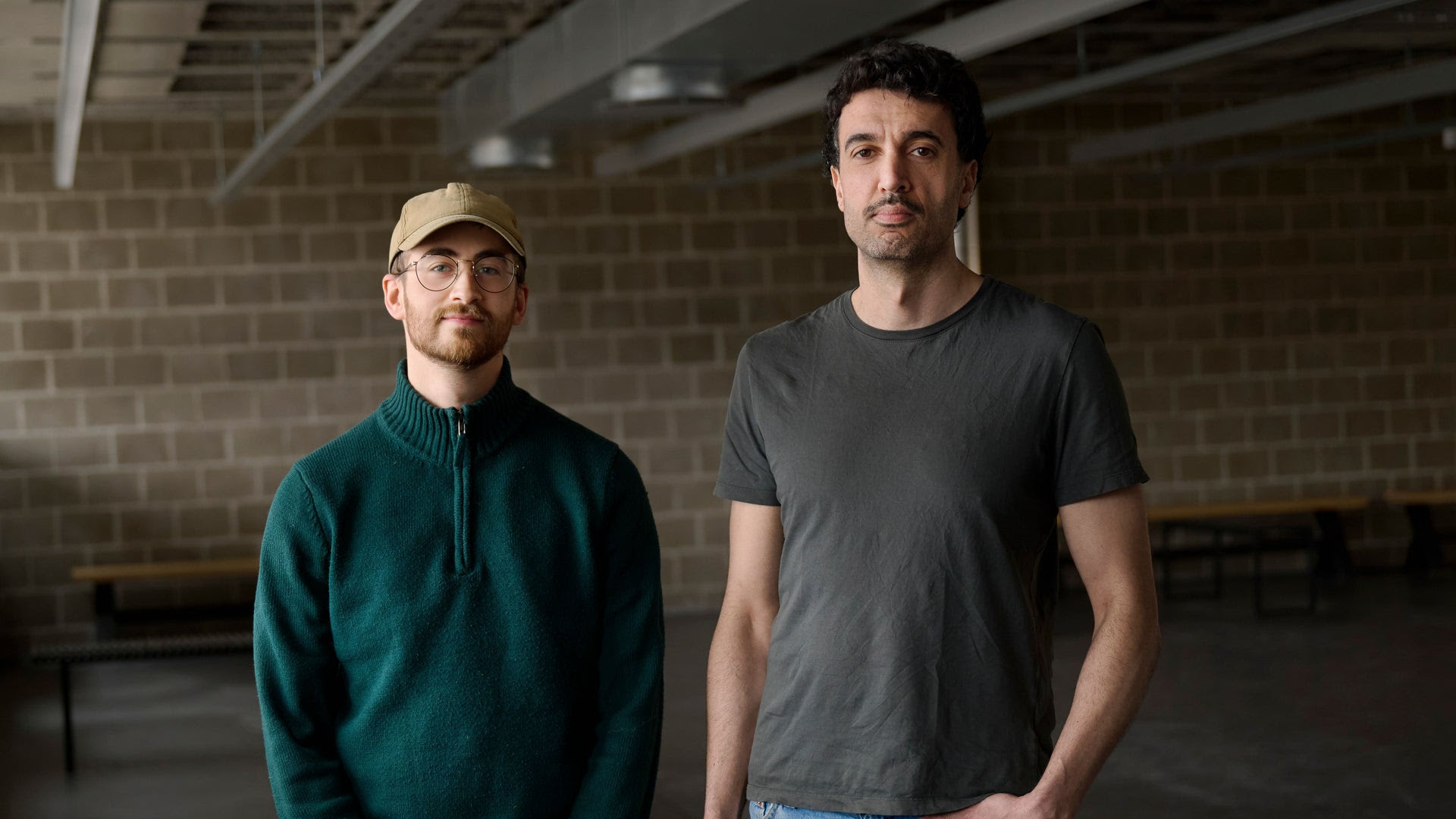
From left: Joachim Karthäuser, Chairman, and Frode Hvattum, CEO of WingBeam.
The problem
Wind turbine blades are made from fibreglass and resin composites, and that mix is exactly what makes them so hard to recycle.
As thousands of blades reach the end of their life, they are becoming a fast-growing waste stream: over 200,000 tonnes of blades in Europe alone over the next five years.
They are huge, costly to transport and hard to process, so many end up in landfill or shredded and burned as fuel in cement making.
What WingBeam does
WingBeam has developed patented technology that turns blade sections into construction products such as railway sleepers and noise barriers.
The noise barriers are developed together with their partner Nordic Noise Barrier Group.
The ambition
Their ambition is to use more than 90% of each blade in the final products. Instead of downcycling the blades, they keep the value of the material in a second life.
Wind farm owners get a solution to their waste problem, and road and rail infrastructure gets durable, long-life products.
How it started
WingBeam started with an engineer's fascination rather than a waste problem. Its founder and key inventor, Pål Francis Hansen, was impressed by the strength and quality of the glass fibre in wind turbine blades, a material built to withstand decades of extreme loads.
Seeing it end up in landfill or burned felt wrong, so his team started experimenting with how blade sections could be turned into durable products instead. Those experiments led to their first patent, and to WingBeam.
Why this team
WingBeam comprises experience from material science, energy and business leadership.
Chairman Dr. Joachim Karthäuser co-founded Climeon and is also CEO for Zelk-Energy AB.
CEO Frode Hvattum has more than two decades in sustainability, including building up Accenture’s sustainability practice and serving as VP Sustainability at FREYR Battery.
CTO Hans-Kristian Alveberg brings offshore and floating wind experience from Fred. Olsen Seawind and Aker Solutions, and leads their technology and product development.
Co-founder Pål Francis Hansen, naval architect and CEO of Hiform AS, is a composites expert and one of the minds behind their core technology.
Co-founder Kjell Oddvar Lervik adds expertise in epoxy materials and business development.
Their advisory board adds more competence in soft funding and technical expertise.
Why Sting
We're at an early and critical stage: building our first production, securing blade supply and getting the first products to market, i.e. developing the business ecosystem. Our chairman Joachim has worked with Sting before, and his good experience made joining Sting Core a natural step.
At this stage you simply don't have all the answers yourself. Sharing and learning from others is a big part of how we work as a team, and we're looking forward to doing that with the coaches and the other founders in the program.
Frode Hvattum, CEO of WingBeam
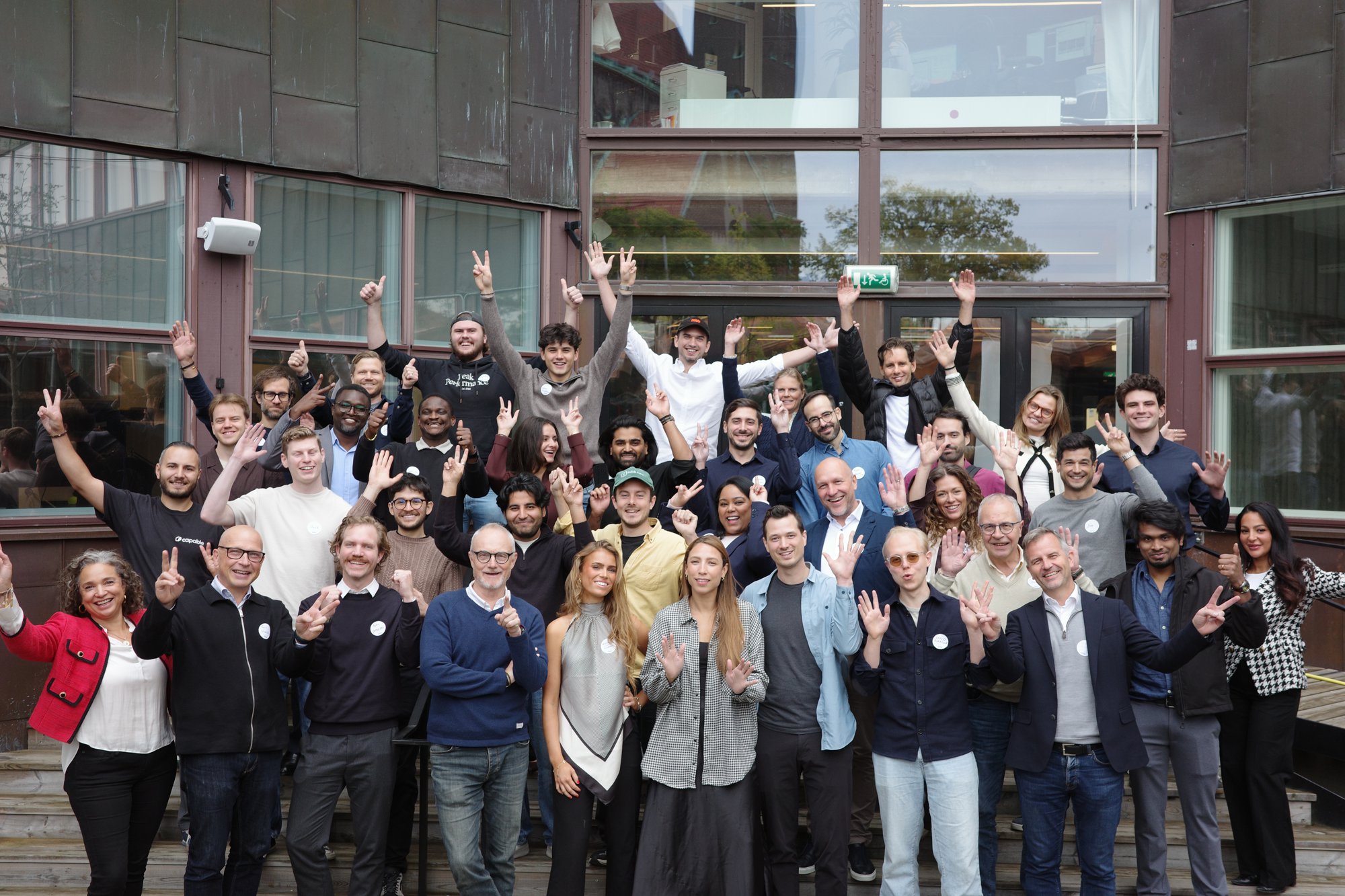
WingBeam is one of 21 startups in Sting Core Fall 2026. Meet the rest of the cohort in Meet the 21 startups joining Sting this autumn.